
TL;DR
Researchers have developed a new microwave-based frying process that produces crispy French fries using less oil. This innovation could reduce health risks linked to traditional frying methods, pending further testing and commercialization.
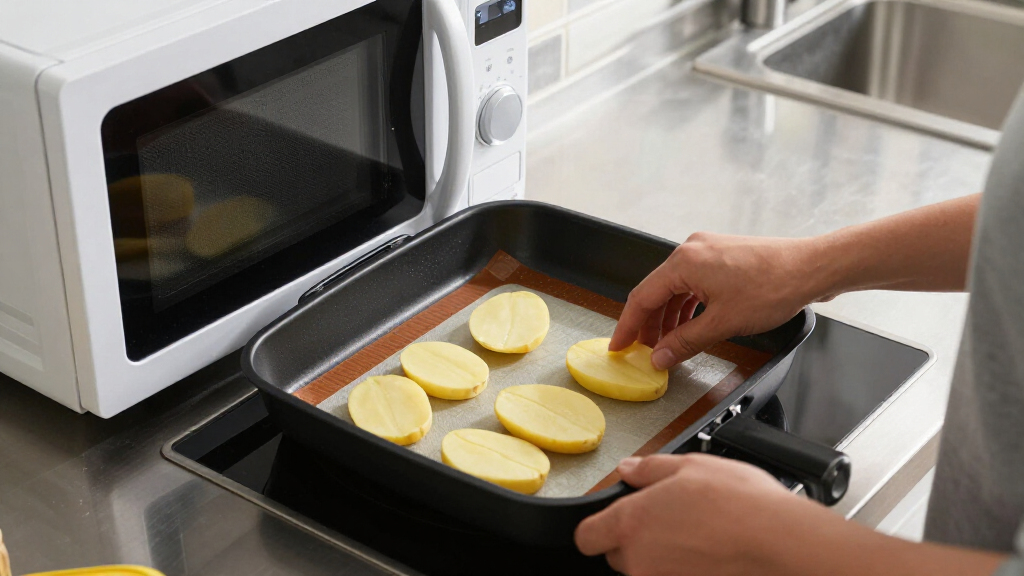
Researchers have unveiled a new microwave frying method that claims to produce crispy, golden French fries with significantly less oil than traditional frying. This development aims to address health concerns linked to high-fat fried foods, offering a potentially healthier alternative for consumers.
The innovative process involves using microwave energy combined with specialized coatings to achieve a crispy exterior while reducing oil absorption. According to the research team at the Food Science Institute, initial tests show that fries cooked with this method contain up to 50% less oil compared to conventional deep-fried versions. The technique has been demonstrated in laboratory settings, with ongoing efforts to scale it for commercial use.
Manufacturers involved in the project suggest that this method could be integrated into existing food production lines, potentially allowing fast-food chains and home cooks to prepare healthier French fries. The process reportedly maintains the desired texture and flavor, which are critical for consumer acceptance. However, the researchers emphasize that further testing is needed to confirm long-term safety and consistency across different potato varieties.
Potential Impact on Public Health and Food Industry
This new microwave frying method could significantly reduce the intake of unhealthy fats and calories associated with traditional deep-fried foods. If widely adopted, it might help lower the risk of diet-related health issues such as obesity, heart disease, and diabetes. For the food industry, this innovation offers an opportunity to meet consumer demand for healthier options without sacrificing taste or texture, potentially transforming fast-food menus and home cooking practices.
Advances in Frying Technology and Health Concerns
Traditional frying methods involve submerging potatoes in hot oil, leading to high oil absorption and calorie content. Over recent years, there has been increased public and scientific interest in developing healthier cooking techniques. Microwave cooking, known for its speed and energy efficiency, has been explored in food processing, but its application to frying is novel. The current development builds on prior research into reducing fat content in fried foods, aiming to combine convenience with health benefits.
Previous attempts at healthier frying include air fryers and oven baking, but these often fall short of replicating the texture and flavor of deep-fried foods. The new microwave method claims to overcome these limitations by using a combination of microwave energy and surface coatings, though it remains in experimental stages.
“Our microwave frying process can produce crispy fries with up to 50% less oil, which could have meaningful health benefits for consumers.”
— Dr. Emily Carter, lead researcher at the Food Science Institute
Uncertainties About Commercial Viability and Long-Term Safety
It is not yet clear whether the microwave frying method can be reliably scaled for mass production or home use. Long-term safety, consumer acceptance, and consistency of the product across different potato types and equipment remain to be verified through further testing. Researchers emphasize that these factors are still under investigation, and regulatory approval may be required before commercial deployment.
Next Steps Include Scaling Tests and Consumer Trials
Researchers plan to conduct larger-scale trials to assess the method’s feasibility in commercial kitchens and home appliances. They also aim to evaluate the sensory qualities of the fries over extended periods and gather consumer feedback. Regulatory assessments and safety evaluations are expected to follow, with potential commercial availability in the next few years if results remain positive.
Key Questions
How does the microwave frying method work?
The process combines microwave energy with specialized surface coatings on potatoes to produce a crispy exterior while absorbing less oil during cooking.
Will this method taste the same as traditional deep-fried fries?
Initial tests suggest that the texture and flavor are comparable, but further consumer testing is needed to confirm widespread acceptance.
Is this method safe for home use?
It is still in the experimental stage; safety and safety standards for home appliances need to be established before it can be recommended for consumer use.
When could this technology be available commercially?
If ongoing trials are successful, commercial deployment might occur within the next few years, pending regulatory approval and manufacturing scaling.
Does this method completely eliminate health risks associated with fried foods?
While it reduces oil content and calorie levels, it does not eliminate all health risks. Moderation and balanced diets remain important.
Source: rss