TL;DR
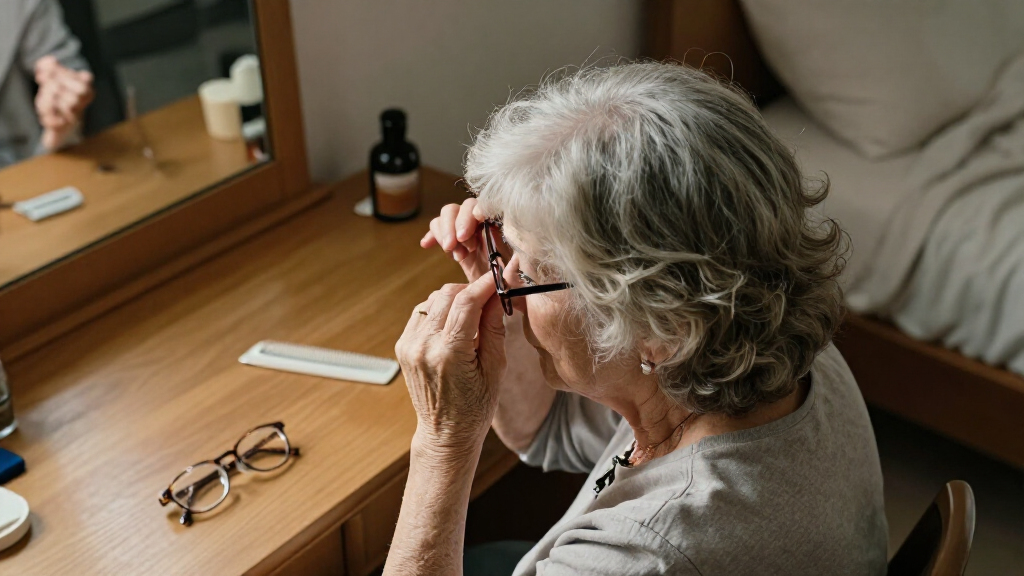
A Sixty and Me guide recommends fitting a wig with the wearer’s usual glasses, then testing how the frames and wig interact during everyday movements. There is no single correct position for glasses arms; a secure, comfortable fit matters more than whether they sit over or under the wig edge.
Sixty and Me has published a comfort-first guide for people over 60 who wear wigs and glasses, advising readers to test their everyday frames with a wig rather than relying on how the combination looks in a mirror. The report says frame arms and wig ear tabs can press against or shift one another, and that fit depends on the cap, frames and how the wig sits.
The guide recommends bringing the glasses worn most often to a wig fitting, including readers or sunglasses if they are part of the wearer’s routine. Different frames may have different arm shapes or hinges, so a position that works with one pair may create pressure or displace the wig with another. It advises keeping glasses in their normal position rather than bending the arms or shifting the frames to accommodate a wig. If glasses pinch or slide without a wig, the guide says to ask an optician to check their fit.
For an initial fitting, the report advises putting the wig on before replacing the glasses. Cleveland Clinic’s wig-care guidance also recommends removing glasses before putting on a wig, according to the report. Once the cap is settled according to the manufacturer’s instructions, the wearer can put the glasses back on normally and check whether the arms move easily or push the cap or ear tabs out of place.
The guide says some people are more comfortable with glasses arms over the wig edge, while others prefer them under an ear tab or through an opening designed for glasses. It cites fitting advice from Cancer Hair Care to try different positions, without forcing an arm into place. It also cautions against cutting lace or mesh to make a channel, since wig construction varies and an alteration could damage the wig.
A Fit That Works During the Day
The practical issue is not just appearance: glasses need to sit normally and remain usable, while the wig should stay in place without being pulled uncomfortably tight. A poor interaction can become apparent when someone removes frames to clean them, puts them back on to read, or switches to sunglasses. Testing those routine movements can help identify whether pressure comes from the wig’s overall fit or from the point where a frame arm meets an ear tab.
The report offers a way to make a fitting more useful: change one thing at a time and repeat the same movements. That may help a wearer and a wig fitter or optician determine whether a cap adjustment, a different position for an ear tab, or another frame works better. The guidance is practical advice, not evidence that one arrangement is right for everyone.
comfortable reading glasses for seniors
As an affiliate, we earn on qualifying purchases.
As an affiliate, we earn on qualifying purchases.
Why Frames Meet Wig Ear Tabs
Glasses arms run along the sides of the head, close to the temples and ears. Wig side pieces, often called ear tabs, occupy the same area. The Sixty and Me report says the result varies with cap construction, frame shape and the way the wig sits; it does not identify a universally correct place for glasses arms.
The guide also distinguishes a glasses-and-wig conflict from a wig that is already uncomfortable or unstable. It advises checking the wig’s size using the maker’s measuring instructions and size chart if the cap feels tight or moves before glasses are added. Tightening straps as a workaround may create another pressure point, the report cautions. It cites EWIGSC’s head-measuring guide as a resource for taking measurements.
“The useful answer is not simply ‘over’ or ‘under.’”
— Sixty and Me report
adjustable wig cap for women over 60
As an affiliate, we earn on qualifying purchases.
As an affiliate, we earn on qualifying purchases.
What a Fitting Cannot Settle
The report does not prescribe a single fit for all wearers or provide comparative testing of different wig caps and frame designs. Whether glasses should sit over or under an ear tab depends on the individual setup, and the article does not establish that one position will work for every pair of frames a person owns.
It also does not specify how long a wearer should test a combination at home or offer medical guidance for persistent pain. It advises taking a break and reassessing if a spot becomes sore, the wig keeps moving or the glasses no longer sit properly. A wig professional or optician can assess the fit; the report does not say which adjustment will resolve any particular wearer’s problem.
glasses with flexible arms for wig wearers
As an affiliate, we earn on qualifying purchases.
As an affiliate, we earn on qualifying purchases.
Test the Fit Before Going Out
The guide recommends trying the combination at home before wearing it for a full day. Read for several minutes, look across a room, turn the head, remove the glasses to clean the lenses and put them back on. Repeat the sequence with readers or sunglasses if those are used. Check both that the wig stays in place and the glasses sit as they normally do.
If something feels wrong, note when it happens—for example, whether pressure starts as an arm passes an ear tab or whether the cap shifts when glasses come off. Make one adjustment at a time and repeat the same movements. If the fit remains uncomfortable, bring both the wig and glasses to a wig fitter or optician so they can be assessed together.
women's wig and glasses fitting accessories
As an affiliate, we earn on qualifying purchases.
As an affiliate, we earn on qualifying purchases.
Key Questions
Should glasses go over or under a wig’s ear tabs?
There is no single correct position. The Sixty and Me guide recommends trying both arrangements gently and keeping the one that lets the glasses sit normally without shifting or pressing the wig.
Which glasses should I bring to a wig fitting?
Bring the frames you use most often, including readers or sunglasses if you switch between pairs. A different frame shape or hinge may interact differently with the wig.
Should I adjust my glasses to make room for the wig?
The report advises against bending the arms or moving frames from their normal position. If they pinch or slide even without the wig, ask an optician to check their fit before adjusting the wig around them.
What should I do if the wig shifts when I remove my glasses?
Test the movement at home and note when the shift happens. Make one small adjustment at a time; if the problem continues, consider having a wig fitter or optician assess the wig and frames together.
Source: rss