
TL;DR
A Sixty and Me report outlines everyday habits that may support healthier aging after 60, including regular movement, good sleep, nutritious food and social connection. The source presents these as factors associated with health, not ways to reverse aging or guarantee a longer life.
A Sixty and Me report on aging after 60 says that while chronological age cannot be changed, some lifestyle and environmental factors associated with biological aging may be influenced. It points to regular movement, sleep, a less processed diet and social connection as practical habits linked with healthier aging, while cautioning that these steps do not control every part of aging.
The report distinguishes chronological age, the number of years a person has lived, from biological age, a way of describing how the body is functioning. It says genes play an important role, while lifestyle and environment can also affect health and age-related changes. Citing Harvard genetics professor David Sinclair, the article says genes may account for up to half of the rate at which people age. That figure is an estimate attributed to Sinclair, not a prediction for any individual.
Among familiar factors the report associates with aging-related changes are smoking, excessive sun exposure, chronic stress, poor sleep, inactivity and excess weight. It also discusses possible links between aging and anxiety about growing older, loneliness, air pollution, frequent alcohol use, disrupted sleep schedules and gut bacteria. The article does not claim that any one of these factors independently determines a person’s biological age.
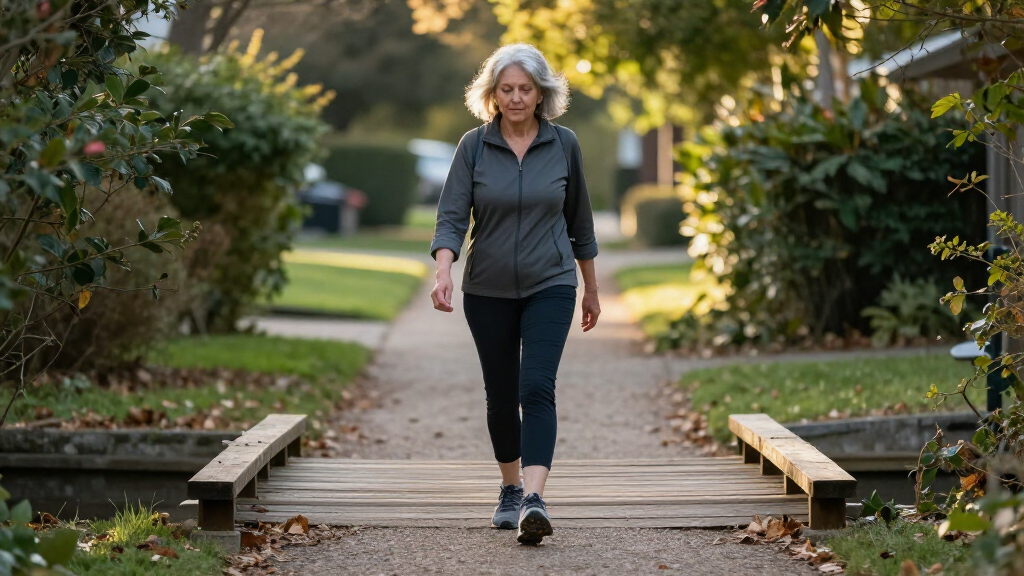
Its practical suggestions are deliberately ordinary: choose activities that can be done safely and regularly, such as walking, swimming, gardening or strength exercises; keep a consistent sleep schedule; and build meals around vegetables, fruit, beans, whole grains and nuts. It also encourages maintaining relationships and finding a sense of purpose. These are presented as supportive habits, not as treatments or guarantees of particular health outcomes.
Everyday Habits and Later-Life Health
The report’s relevance is its focus on actions that can fit into ordinary life rather than on a single intervention or a promise to stop aging. For people over 60, maintaining movement, sleep routines, nourishing food and social ties may support general well-being and help counter some risks linked to inactivity or isolation. The article frames these as areas people may be able to influence, even though they cannot change their genes or prevent every illness.
That distinction matters: a healthy habit can contribute to well-being without making someone biologically younger or guaranteeing a longer life. The report’s advice is broad and does not account for differing abilities, chronic conditions, financial circumstances or access to safe places to exercise and socialize. Readers should adapt activity and health decisions to their own situation and consult a qualified health professional about medical concerns.
As an affiliate, we earn on qualifying purchases.
Age, Genes and Daily Choices
The source builds on the distinction between the passage of time and the body’s condition. Biological age is not presented as a simple number that can be reliably changed through a particular routine; rather, the report uses it to discuss how health and bodily function may be shaped by a combination of genetics, lifestyle and environment.
It cites a Harvard study involving 726 middle-aged women, which found an association between greater anxiety about growing older and faster epigenetic aging. Epigenetic changes affect how genes are switched on and off. The reported association does not establish that worry causes faster aging, nor does it show that an occasional concern about aging produces measurable harm. The source uses the finding as one possible link, alongside social isolation and environmental exposures, while recommending habits that may support health across later life.
“Genes may account for up to half of the rate at which we age.”
— David Sinclair, professor of genetics at Harvard Medical School, as cited by Sixty and Me
bedtime sleep aid for older adults
As an affiliate, we earn on qualifying purchases.
As an affiliate, we earn on qualifying purchases.
Limits of the Evidence Cited
The source does not provide a publication date, links to detailed study methods or enough information to assess the strength of every claim it discusses. In particular, the study of 726 women is described as finding an association between anxiety about aging and epigenetic aging; the supplied material does not establish cause and effect or show whether its findings apply to all adults over 60.
The report also does not quantify how much any recommended habit changes biological age, how quickly an effect might occur, or which combination of changes would suit a particular person. Claims about air pollution, alcohol, sleep patterns and the gut microbiome are summarized without detailed evidence in the supplied material. The article therefore supports a general discussion of health habits, not a conclusion that these steps can prevent or reverse aging.
As an affiliate, we earn on qualifying purchases.
Applying the Advice Safely
The source offers no announced follow-up study or policy action. Its suggested next step for readers is to focus on small, repeatable choices: find a form of movement that is safe and sustainable, keep a steady sleep routine where possible, choose minimally processed foods more often, and make time for social contact and purposeful activities.
How to put those suggestions into practice will depend on each person’s health and circumstances. Anyone considering a significant change to exercise, diet, sleep routines or alcohol use can discuss it with a qualified health professional, particularly if they have a medical condition or mobility limitations. Further claims about biological-age changes would require specific evidence and clear measures of outcomes.
As an affiliate, we earn on qualifying purchases.
Key Questions
Can people change their chronological age?
No. Chronological age is the number of years a person has lived. The report distinguishes it from biological age, which describes aspects of how the body is functioning.
Does the report say healthy habits reverse aging?
No. It describes habits that may support healthier aging, but does not claim they reverse aging, make someone biologically younger or guarantee a health outcome.
Which habits does the report recommend?
It recommends regular, appropriate movement; consistent sleep habits; meals centered on minimally processed foods; maintaining social relationships; and pursuing activities that provide a sense of purpose.
Does anxiety about aging cause faster aging?
The report cites a study that found an association between greater anxiety about growing older and faster epigenetic aging among 726 middle-aged women. The information provided does not establish that anxiety caused the changes or show that the result applies to everyone.
Should people over 60 seek medical advice before changing routines?
People with health conditions, mobility limitations or questions about exercise, diet or other health changes should consult a qualified health professional. The report’s suggestions are general and are not individual medical advice.
Source: rss