
TL;DR
A Mayo Clinic Health System ophthalmologist’s educational Q&A explains that diabetic retinopathy can damage retinal blood vessels before symptoms appear. It recommends routine eye screening for people with diabetes and describes blood sugar, blood pressure and cholesterol management as ways to reduce risk; suspected disease may require specialist evaluation.
A Seniors Guide article republishing guidance from Dr. Wayne Wu, an ophthalmologist with Mayo Clinic Health System, explains how diabetes can damage blood vessels in the retina and why regular eye screening matters even when vision seems normal. The report describes screening and risk management, but is educational guidance rather than a newly announced treatment or clinical study.
Diabetic retinopathy develops when diabetes affects the blood vessels in the retina, the light-sensitive tissue at the back of the eye. According to Wu, it can occur in people with Type 1 or Type 2 diabetes. The source also says it can develop during pregnancy in people diagnosed with gestational diabetes, and that having diabetes before pregnancy can increase risk.
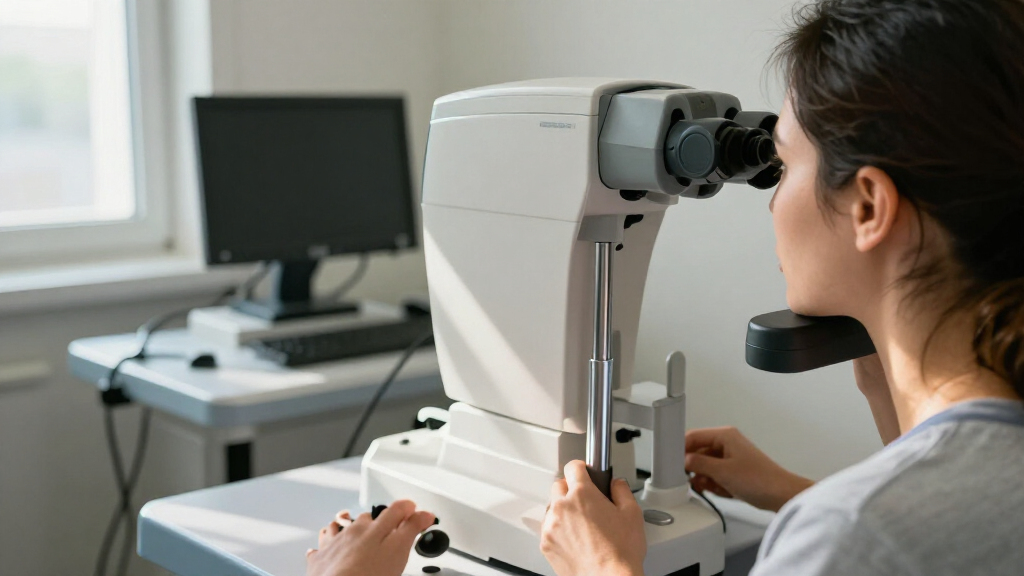
The condition may cause no noticeable symptoms in its early stages, even as damage progresses. The article warns that advanced retinopathy can lead to rapid, permanent vision loss. It says regular eye screening is part of annual care for people with diabetes and describes AI-assisted screening systems that photograph the retina to identify possible early signs. A positive screening is not presented as a final diagnosis: the report says the patient should be referred to an ophthalmologist or retinal specialist for further evaluation and management.
Wu’s guidance emphasizes reducing risk through blood glucose control and managing high blood pressure and cholesterol. The article also advises people who smoke to stop. It lists symptoms to report promptly, including blurred or double vision, difficulty reading or seeing at night, eye pain, flashes of light, halos, and a sudden appearance of spots or floaters. Such symptoms can have causes other than retinopathy, so the source recommends contacting a healthcare team rather than assuming a cause.
Why Routine Retinal Screening Matters
The central point for readers is that vision changes may come after retinal damage has begun. Waiting for symptoms could delay evaluation, while routine screening can help identify signs that need specialist follow-up. The article says early detection and diligent management by an ophthalmologist can slow progression or halt the condition, though it does not promise that screening or treatment will prevent vision loss in every case.
The report cites estimates that 191 million people worldwide may have diabetic retinopathy by 2030, including 56.3 million people with vision-threatening disease. Those are projections reported in the source, not current counts, and the article does not provide the study or methods behind them. The estimates underscore the potential scale of the issue without establishing an individual person’s risk.
How Diabetes Affects the Retina
Diabetes is a systemic disease, meaning it can affect multiple parts of the body, including blood vessels and eyes. In the retina, damage can develop over time and pass through stages of severity. Symptoms may not appear until moderate or advanced disease, according to the Mayo Clinic Q&A reproduced by Seniors Guide.
The source frames eye care as part of ongoing diabetes management, not a substitute for it. It says people with diabetes should receive regular eye exams and notes that healthcare professionals may recommend additional exams during pregnancy for some patients. Screening photographs are intended to flag possible disease; a specialist’s assessment is needed if a screening finds signs of retinopathy.
““Prevention remains the best approach for diabetic retinopathy.””
— Dr. Wayne Wu, ophthalmologist, Mayo Clinic Health System
Limits of the Screening Guidance
The article does not identify a specific AI screening product, compare its accuracy with other methods, or provide details about how screening results should be interpreted in different clinical settings. It also does not give a treatment-by-stage breakdown or report results from a new clinical trial. Its claims about screening and management are presented as educational guidance from Wu, not as findings from a newly published study.
The source provides no individual risk estimates and does not say that every person with diabetes will develop retinopathy. It also notes that listed vision symptoms may reflect a prescription change or another eye condition. Readers should have symptoms assessed by a qualified healthcare professional rather than infer a diagnosis from the article.
Discuss Screening With Your Care Team
People with diabetes can ask their primary care clinician what eye screening schedule is appropriate and whether an eye-care specialist should be involved. If a screening identifies possible retinopathy, the next step described in the report is referral for further evaluation by an ophthalmologist or retinal specialist. Anyone experiencing new or sudden vision symptoms should contact a healthcare professional promptly. The article does not announce a future study, regulatory decision or treatment milestone.
Key Questions
What is diabetic retinopathy?
It is damage to the retina’s blood vessels associated with diabetes. The retina is the light-sensitive tissue at the back of the eye.
Can diabetic retinopathy develop without symptoms?
Yes. The Mayo Clinic guidance says early disease often has no noticeable symptoms, and symptoms may not appear until the condition is moderate or advanced.
How is diabetic retinopathy screened?
The report describes retinal photographs, including images captured by some AI-assisted screening systems. If signs are detected, it says patients should be referred for specialist evaluation; screening alone is not described as a final diagnosis.
What symptoms should someone report?
The source lists blurred or double vision, difficulty reading or seeing at night, eye pain, flashes, halos and a sudden appearance of spots or floaters. These symptoms can have different causes, so contact a healthcare professional rather than self-diagnosing.
Can the condition be prevented or treated?
The article recommends managing blood glucose, blood pressure and cholesterol and stopping smoking to reduce risk. It says early detection and ophthalmologist management can slow or halt progression, but does not promise prevention or a specific outcome for every person.
Source: seniorsguide.com